Dissertation/Directed Awards
The aims of the FRP Dissertation Awards are to promote research in the field of Rehabilitation Psychology, recognize excellence in doctoral dissertation research, and defray costs associated with dissertation research.
One award each year (since 2024) is the annual Leonard Diller Dissertation Award in Neurorehabilitation.
Through the generosity of the Diller family, FRP has established the Leonard Diller Fund in honor of Dr. Diller, a founder of American neurorehabilitation and a leader among clinicians who did not accept that impairments following acquired brain injuries were permanent and irremediable. A dissertation deserving of this award will reflect the principles of neurorehabilitation as advanced by Dr. Diller.
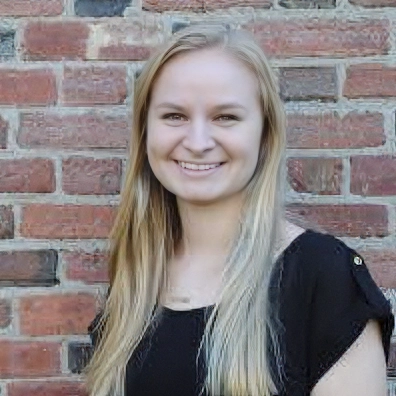
Emily Dudek, MA
University of Houston
Neuropsychological effects of a single session of mindfulness in adults with traumatic brain injury
— Advisor: Michael W. Williams, PhD
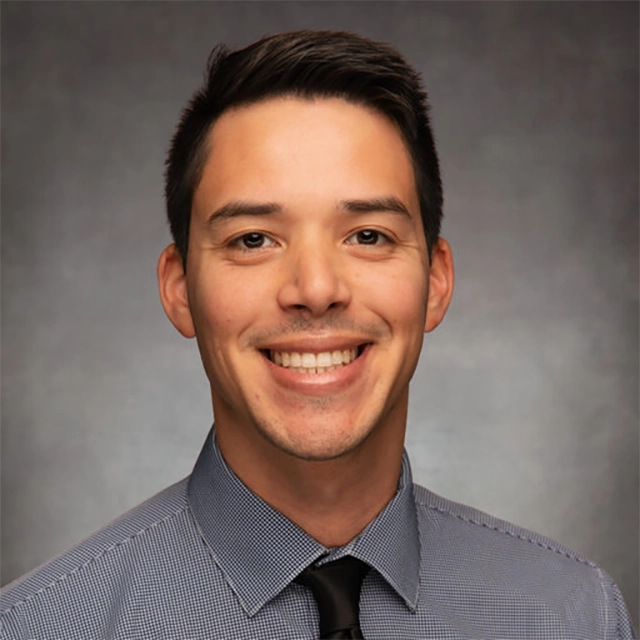
Dylan Serpas
University of South Florida
Disability stigma, disability identity and psychological distress
— Advisor: Kemesha Gabbidon, PhD

Mariel Emrich, MA
University of Connecticut
PTSD and pain after trauma
— Advisor: Crystal Park, PhD

Margaret Rose-McCandish, MA
Indiania University
The role of pain attribution and perceived acceptability of physician's pain treatment decisions
— Advisor: Adam Hirsh, PhD

Melissa Shang
Oregon State University

Leah Chadwick
The University of Calgary
Parental and Family Functioning as Predictors of Longitudinal Trajectories of Post-Concussive Symptoms Following Pediatric Mild Traumatic Brain Injury
— Advisor: Dr. Keith Yates

Bishan (Melody) Yang
University of Washington
Community Participation and The Environmental Impact Experienced by People with Multiple Sclerosis: A Mixed Methods Study Using a Community-Engaged Approach
— Advisor: Dr. Danbi Lee
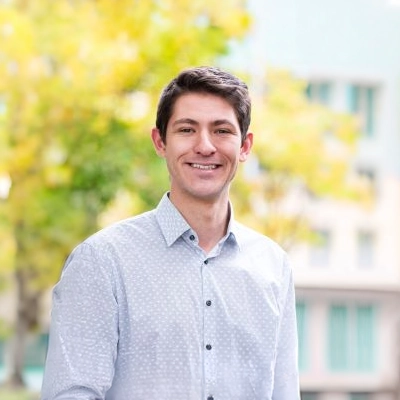
Joren Adams
Oregon Health and Science University
Compensatory Cognitive Training for Veterans with Major Depressive Disorder-related Cognitive Functioning Deficits: A Pilot Randomized Control Trial
— Advisors: Dr. Maya O'Neil and Dr. Lauren Denneson

Caterina Obenauf
University of Tennessee
Impact of Social Determinants of Health and Profiles of Childhood Experiences on Cognitive and Psychological Symptoms in Multiple Sclerosis
— Advisor: Dr. Gina Owens
Victoria Monte
NYU Steinhardt School of Culture, Education, & Human Development
Basic and Applied Investigation of Social Support among College Students with Chronic Conditions
— Advisor: Will Tsai, PhD
Yunzhen (Judy) Huang
University of Wisconsin-Madison
Character Strengths, Coping, and Recovery from Substance Use Disorder: A Medical Analysis
— Advisor: Susan Smedema, PhD
Adrien Winning
Loyola University Chicago
Parenting and Psychosocial Functioning in Youth with Spina Bifida: Making Connections with Other CNS-Related Chronic Health Conditions
— Advisor: Grayson Holmbeck, PhD
Jenna Cohen
Ferkauf Graduate School of Psychology, Yeshiva University
Falls, Mood and Driving Safety in Multiple Sclerosis
— Advisor: Frederick Foley, PhD
Ted Allaire
Eastern Michigan University
Measurement and Structural Invariance of the Patient Health Questionnaire-9 Across Acute Rehabilitation Populations
— Advisor: Michelle Meade, PhD
Jonathan Tsen
Illinois Institute of Technology
Caring for the Caregiver: Interpersonal Factors and Depression as Serial Mediators between Stigma and Suicidal Ideation
— Advisor: Eun-Jeong Lee, PhD
Jeremiah Lum
Seattle Pacific University
Depression as a Moderator of the Relationship between Perceived Injustice and Neuropsychological Performance Validity in Traumatic Brain Injury
— Advisor: Jacob Bentley, PhD, ABPP
Caroline Hinkle
University of Maryland, Baltimore County
The Mediating Role of White Matter Integrity and Gray Matter Volume in the Relationship between pain and Neurocognitive Function
— Advisor: Raimi L. Quiton, PhD
Jillian Tessier
Clinical Psychology, Drexel University
Functional Outcomes in Chronic Traumatic Brain Injury: Goal Attainment in Rehabilitation
— Advisor: Maria Schultheis, PhD
Andrew D. May
Clinical Psychology, The Chicago School of Professional Psychology
The Nature and Prevalence of Anxiety in an Intensive Care Unit: Risk Factors, Patient Outcomes, and Trends in Psychological Care
— Advisor: Brian Sharpless, PhD
Amanda Parker
Clinical Psychology, Yeshiva University
Injustice, Quality of Life, and Psychiatric Symptoms in People with Migraine
— Advisor: Elizabeth Seng, PhD
Dana Bakula
Clinical Psychology, Oklahoma State University
Parent Uncertainty, Self-Care, and Adjustment in the Pediatric Inpatient Rehabilitation Setting
— Advisor: Larry Mullins, PhD
Mercedes Zapata
School Psychology, Graduate School of Education, University of California, Berkeley
Personal Disability Identity Measurement: Self-Worth and Personal Meaning
— Advisor: Frank C. Worrell, PhD
Jamie Tingey
Clinical Psychology, Seattle Pacific University
Self-efficacy Trajectories in Newly Diagnosed Individuals with Multiple Sclerosis
— Advisor: Jacob Bentley, PhD
Rosie Shrout
Interdisciplinary Social Psychology, University of Nevada, Reno
Couples and Nonvisible Chronic Illness: An Integrated Model of Dyadic Coping
— Advisor: Daniel Weigel, PhD
Lakeya McGill
University of Maryland
Health-Related Quality of Life in Adults with Sickle Cell Disease: The Role of Illness Intrusiveness and Perceived Control
— Advisor: Shawn Bediako, PhD
Andrea Wojtowicz
Rosalind Franklin University
Participation and life satisfaction in individuals with pediatric onset SCI
— Advisor: Rachel Neff Greenley, PhD
Kayci L. Vickers
Drexel University
The impact of compensatory recommendations on consistency in adherence to behavioral regimens after TBI
— Advisor: Maria Schultheis, PhD
Jessica Dietch
University of North Texas
Accuracy of three assessments of sleep timing, duration and efficiency compared to a single-channel EEG device
— Advisor: Daniel Taylor, PhD
Samantha DeDios
Illinois Institute of Technology
Cognitive assistive technology use among adults with multiple sclerosis: Application of self-determination theory
— Advisor: Eun-Jeong Lee, PhD
Jilian O'Neill
Medical/Clinical Psychology, University of Alabama at Birmingham
Her project involves examining neuropsychological predictors of returning to school among adolescents with concussion.
— Advisor: Laura E. Dreer, PhD
Cassie Ross
Clinical Psychology, American School of Professional Psychology, Argosy University
Her dissertation involves the neuropsychological assessment and phenomenological investigation of cognitive problems in adolescents with Type 1 diabetes.
— Advisor: Megan Carlos, PhD, Jenise Wong, MD and Ron Valle, PhD
Natasha S. DePesa
Clinical Psychology, University of Central Florida
Her dissertation concerns the assessment of the feasibility and preliminary effectiveness of an interdisciplinary chronic pain group for patients with rheumatoid arthritis.
— Advisor: Dr. Jeffery Cassisi.
Preeti Sunderaraman
Drexel University
Her dissertation research is focused on financial capacity and neuropsychological performance in acquired brain injury.
— Advisor: Dr. Maria Schultheis.
Victoria Bangieva
Rosalind Franklin University of Medicine and Science (RFUMS)
Her dissertation concerns coping, optimism, and physiological outcomes in cardiac rehabilitation.
— Advisor: Dr. Lawrence Perlmuter.
Stephanie Leung
Clinical Psychology, Rosalind Franklin University of Medicine and Science (RFUMS)
Her dissertation concerns intergenerational psychosocial factors and healthcare utilization in cardiac rehabilitation.
— Advisor: Dr. Lawrence Perlmuter
Kaitlin Blackstone
San Diego State University/University of California San Diego
Her dissertation will evaluate the efficacy of a brief metacognitive training module for neurocognitive rehabilitation in individuals with executive dysfunction in the context of comorbid methamphetamine dependence and HIV infection.
— Advisors: David Moore, PhD, and Robert Heaton, PhD
Michael Williams
Wayne State University
His dissertation research is focused on neuropsychological predictors of engagement in rehabilitation therapy and functional independence in individuals with acquired brain injury.
— Advisors: Lisa Rapport, PhD, and Robin Hanks, PhD.
Abbey J. Hughes
Kansas University Medical Center
Her dissertation is focused on neuroanatomical, neurochemical, and neuropsychological markers of multiple sclerosis.
— Advisor: Monica Kurylo, PhD
Chelsea Morse
Drexel University
Her dissertation title is “Using ecologically valid measures of neuropsychological function to predict vocational functioning in persons with multiple sclerosis”.
— Advisor: Maria T. Schultheis, PhD.