The field of Rehabilitation Psychology arose from the multiple schools of thought that were present or emerged in the first half of the 20th century. The founders of the Division of Rehabilitation Psychology and the scholars who sought to understand the psychology of disability are the foundation upon which our specialty was built. Their scholarly writing provides a historical context for how the field conceptualizes issues today.
The writings highlighted here reflect many of the ideas that have shaped Rehabilitation Psychology over the decades. Across this body of work, seven foundational principles emerge—ideas that continue to inform how rehabilitation psychologists understand disability, the person, and the environments in which people live.
As you explore these founders and scholars, look for the ways their work speaks to these principles. Some authors addressed them directly; others helped lay the groundwork for ideas that would later become central to the specialty. Together, these writings reveal a continuing conversation between the field’s past and its present.
The below selections highlight two companion articles addressing Adjustment to Disability, one of the foundational principles, that focus on hate in the rehabilitation setting.
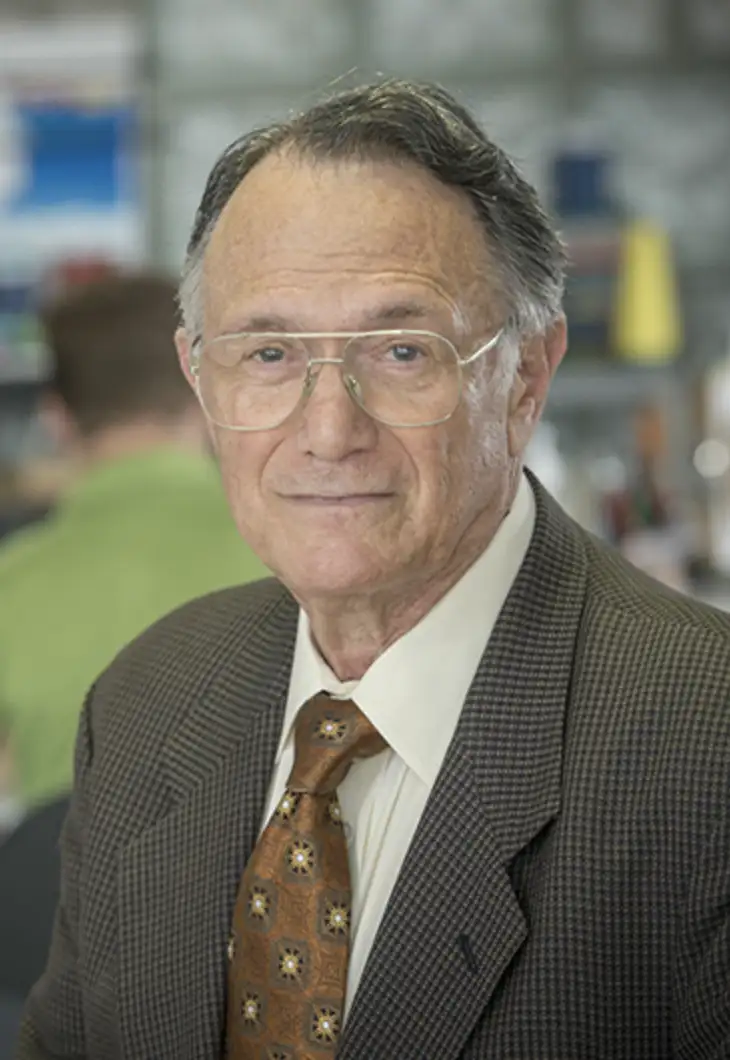
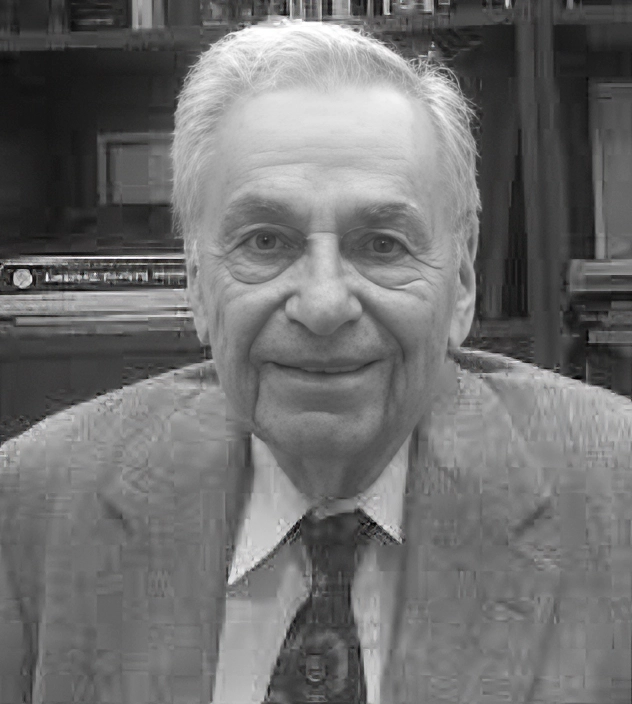
Dr. Jerome S. Gans is a distinguished psychiatrist who is Associate Clinical Professor of Psychiatry at Harvard Medical School and Clinical Associate in Psychiatry at the Massachusetts General Hospital in Boston. He has been teaching and supervising group therapy for forty years and has published widely on group and individual therapy, psychological aspects of physical rehabilitation and liaison psychiatry.
In this article, Gans (1983) addressed the prevalence, causes, and implications of hate in the rehabilitation setting from the perspective of a patient or family’s adjustment to catastrophic injury and disability and staff members’ responses to such reactions. The experience of overwhelming loss, grief and suffering can evoke strong emotions which then shape the behavior of both patients and staff during the rehabilitation process. Gans offered suggestions for staff’s therapeutic responses to such emotions in patients and families and within themselves.
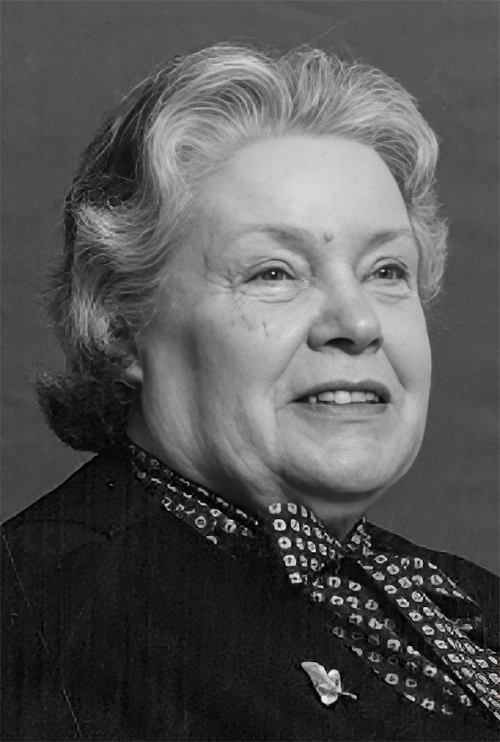
As inpatient rehabilitation expanded into privatized, for-profit business models in the late 1980’s, Dr Larry L. Mullins (1989), a pediatric psychologist at Oklahoma State University, revisited the experience of hate, shifting from the individual perspective to the systems in which rehabilitation occurs. He asserted that, since Gans’ article, hate had been joined by power, envy and greed in the rehabilitation setting. In 2024, following the murder of a health insurance CEO, the outpouring of hate and anger aimed at health insurance companies demonstrates the escalation of such visceral emotional reactions. Hate, fear and anger have escalated against the national backdrop of rising medical and insurance costs, increasing denial of medical and rehabilitation claims, and individuals burdened with medical debt while health care and insurance systems profits and stock prices are soaring.
As rehabilitation psychologists, we must continue to champion the importance and use of scientific methods to investigate the impact of rehabilitation interventions, the centrality of humanistic qualities, such as compassion, that create healing environments, and increase our advocacy efforts more systemically to impact policy change around accessibility of rehabilitation care, quality of life, and employment for individuals with disabilities.
— Kathleen (Kate) S. Brown, PhD, wrote the above for the Foundation for Rehabilitation Psychology.
Recommended early writings of the psychologists whose writings have provided the theoretical underpinning for the specialty of Rehabilitation Psychology:
Fordyce, W. E., Fowler, R. S., Jr., Lehmann, J. F., DeLateur, B. J., Sand, P. L., & Trieschmann, R. B. (1973). Operant conditioning in the treatment of chronic pain. Archives of Physical Medicine and Rehabilitation, 54(9), 399–408.
Taub, E., Miller, N. E., Novack, T. A., Fleming, W. C., Nepomuceno, C. S., Connell, J. S., & Crago, J. E. (1993). Technique to improve chronic motor deficit after stroke. Archives of Physical Medicine and Rehabilitation, 74(4), 347–354.